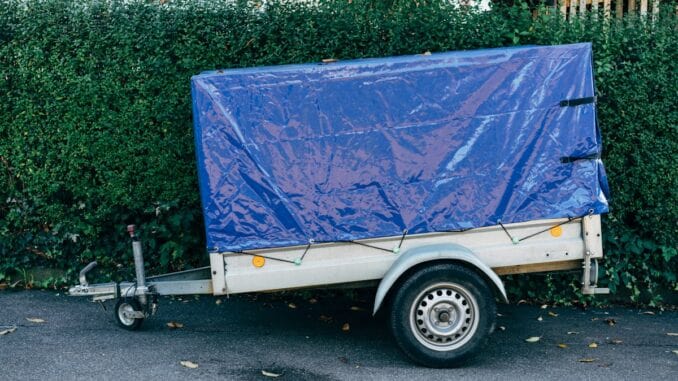
Are you considering buying a trailer? There are plenty of ways you can use a trailer to maximise the value of your investment, so let’s take a look at some of them.
Photo by Markus Winkler on Unsplash
Flatbed trailers: the most versatile option
1. Flatbed trailers
This is the most versatile category of trailers. When you see trailer parts for sale, they will usually be for flatbed trailers. Flatbed trailer parts are widely available and highly versatile, just like the flatbeds themselves. Flatbed trailers are mainly used to ship heavy objects and materials, such as industrial equipment, that won’t fit in a standard enclosed trailer.
- Dry van trailers
Around two-thirds of trailers used today are dry vans, which are the fully enclosed style of trailer that are usually 28 to 53 feet in length. Their enclosed space means the contents are protected from damage, weather, and theft. These dry vans are most commonly used for hauling household goods and appliances, consumables, and building materials.
3. Refrigerated trailers
These are insulated and built with a refrigeration unit inside that keeps the unit chilled. They are also called reefers and are primarily used to transport food
4. Drop deck trailers
Also called step decks, these trailers have an upper and lower deck. They can be used to double up on transportation, such as a car transporter.
5. Lowboy trailers
These are also called low-bed trailers and drop to just 24 inches above the surface of the road. They are typically used to transport heavy industrial equipment, farm equipment, and infrastructure materials, including things that are too large to fit on a standard flatbed.
These trailers all have multiple uses, so businesses will invest in those that suit their needs. Trailers have a variety of applications, from small trailers used by sole traders for everyday transport to huge industrial trailers.
Choosing the right trailer for your business
When it comes to picking the right trailer for your business, a specialist retailer can help you establish your needs and cost and spec up the trailer option that will best suit you. There are then options to buy or lease trailers, each with tax implications for your business.
Summary
This article explains what different types of trailers are used for, from versatile flatbeds carrying heavy equipment that won’t fit in an enclosed trailer, to dry vans protecting goods from weather and theft, refrigerated trailers for food transport, and drop deck or lowboy trailers for oversized loads. It recommends speaking to a specialist retailer to establish needs, cost, and whether to buy or lease.
Questions this article raises
- How does the cost of leasing a trailer compare with buying one outright?
- Which trailer type suits a small business moving goods only occasionally?
- What tax implications differ between leasing and buying a trailer?