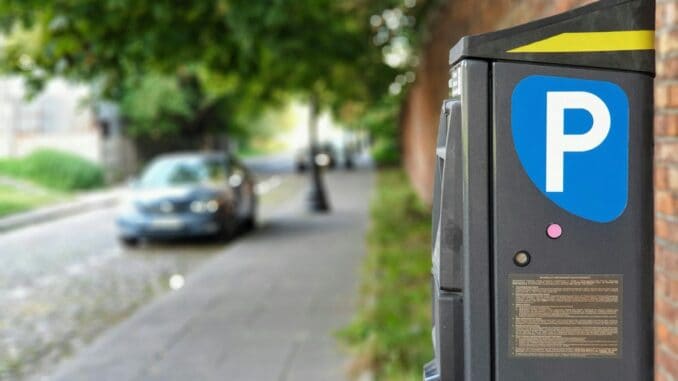
Whether you live in a built up area, near a primary school or even rurally, it isn’t unusual to see cars parking on the pavement.
Photo by Stanisław Gregor on Unsplash
In London and Edinburgh, parking on the pavement is actually against the law, according to the BBC. Elsewhere across the UK, parking on the pavement – whether fully or partially – is technically in contravention of the highway code. However, in reality, councils don’t have any power to fine people for doing so and while the police are able to fine pavement parkers, they very rarely do so.
Divided opinion
Opinion is split on pavement parking. For many who live in houses without driveways, there would often be nowhere else to conveniently park! Parking on the pavement rather than fully on the road means the highway itself is still usable, and would allow emergency vehicles to pass easily. It also means people can leave their car safely outside their home, which is useful if you have children, pets or groceries to bring in. It also keeps insurance premiums lower than if your car was parked out of sight.
Arguments against
It’s understandable that people have opinions on why cars should not be parked on pavements. Generally speaking, it’s considered far safer to park only partially on the pavement, allowing ample space for pedestrians – particularly wheelchair or pram users – to get past without stepping into the road. But when a driver parks fully on the pavement, there’s a very real chance of an accident happening if someone has to step out into the road.
But if cars were to park on the road and not be permitted to mount the pavement at all, roads may become very congested. Vans and other wider vehicles may struggle to pass. If you need used vans for sale Bath or other locations, specialists such as /cotswoldvancentre.co.uk/buy/used-vans-for-sale/bath/ can advise on size and driveability.
Whether you’re for or against pavement parking, one rule always applies: park considerately and leave ample space for your fellow road users.
Summary
This article looks at the debate over pavement parking, noting it is fully banned in London and Edinburgh but only a highway code contravention elsewhere in the UK, rarely enforced. It sets out arguments in favour, such as keeping roads clear for emergency vehicles and cars safe outside homes, against arguments that fully blocking a pavement endangers pedestrians, particularly wheelchair or pram users. It concludes that drivers should park considerately and leave space for others.
Questions this article raises
- Why do councils in England rarely enforce pavement parking fines even where it’s technically illegal?
- Would a nationwide pavement parking ban significantly worsen road congestion?
- How much space must be left on a pavement for it to be considered safe for wheelchair users?