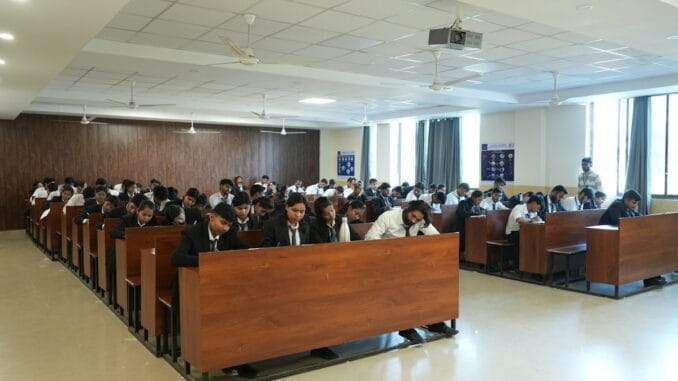
Concerns about cheating in accountancy exams have grown in recent years, leading industry regulators to tighten controls and strengthen their response. With more cases being reported, there is increasing pressure to protect the credibility of professional qualifications.

Photo by Vishnu Mehra on Unsplash
Growing Concerns Over Misconduct in Professional Exams
Misconduct in accountancy assessments has become more common, involving both trainees and large firms. Issues include using unauthorised material, sharing answers, and inappropriate use of GenAI during remote exams. University College London explains what GenAI is in further detail.
Regulators Introduce Stronger Measures
UK regulators now take a much firmer approach to preventing cheating. Clearer rules on digital tools, closer supervision, and updated expectations for exam conduct have been introduced to support a more secure system, with firms such as Cheltenham accountants, https://www.randall-payne.co.uk/services/accountancy/cheltenham-accountants/, expected to follow the same guidance.
Detection Technology Is Becoming More Advanced
New monitoring systems make it easier to identify suspicious activity. Plagiarism tools, automated checking software, and real-time exam monitoring can detect copied content or unauthorised assistance more accurately than manual reviews.
Consequences Can Be Serious and Long-Lasting
Those found to have breached exam rules may face failed assessments, employer action, or disciplinary hearings. In some cases, candidates can be removed from professional registers, and published records may affect future job prospects.
Clearer Guidance Aims to Prevent Unintentional Breaches
Regulators now provide more detailed guidance on what is and is not permitted, helping students avoid accidental mistakes and understand their ethical responsibilities.
The tightening of rules reflects the industry’s commitment to safeguarding the integrity of accountancy qualifications.
Summary
This article looks at growing efforts to prevent cheating in accountancy exams. It describes rising misconduct such as using unauthorised material and inappropriate GenAI use during remote exams, and explains that regulators are responding with clearer rules, closer supervision and advanced detection technology like plagiarism tools and real-time monitoring. It notes that breaches can lead to failed assessments, disciplinary action, or removal from professional registers.
Questions this article raises
- How common is GenAI misuse compared with more traditional forms of cheating?
- What happens to a trainee’s career if they’re removed from a professional register?
- How do detection tools tell genuine similarity from actual plagiarism?
