
All publicly accessed buildings in the UK must have a current fire risk assessment. In order to be considered current, it must be regularly reviewed, evidence of review recorded, and any recommendations carried out.
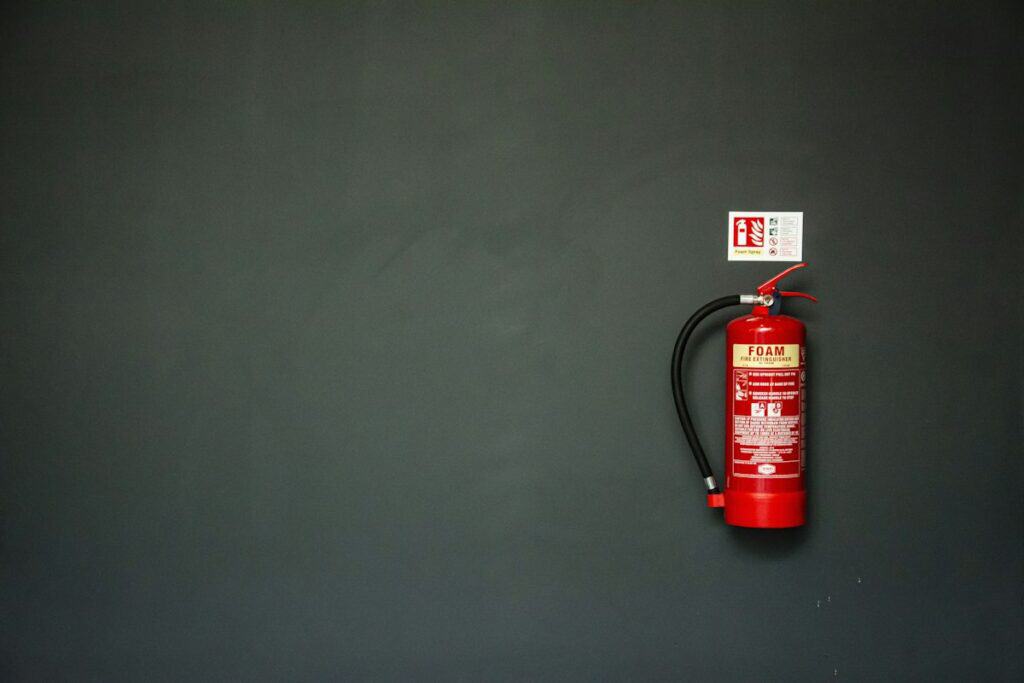
Photo by Tak Kei Wong on Unsplash
Review frequency
A fire risk assessment must be reviewed regularly and a new assessment carried out immediately upon any major change to the building’s layout, structure or use.
Checks performed during a fire risk assessment
Independent experts such as https://isefireproducts.co.uk/fire-risk-assessments/northamptonshire are routinely employed by businesses to conduct fire risk assessment Northamptonshire and they review all risk factors associated with the specific business, including its building type, how it is used, by whom and their level of training and PPE.
They will check firefighting equipment is appropriate, correctly located, in date and working. They will check evacuation routes are signposted and accessible, that fire doors are not propped open and that people at greatest risk have personal evacuation plans. They will also review the business’ fire safety protocols and training and recommend updates and improvements.
Benefits of an independent fire risk assessment
Fire risk assessments are designed to save lives and protect businesses from disruption, unexpected costs, and losses. They help businesses to identify, classify and mitigate risks, maintain compliance with legal requirements, assure their evidence and ultimately save lives.
In conclusion
Fire risk assessments should be regularly reviewed and renewed upon any major change to the way in which the building is used, occupied or laid out. Adhering to this schedule is vital to maintain compliance with fire safety legislation.
Summary
This article explains when a fire risk assessment should be reviewed. It states that all publicly accessed UK buildings need a current assessment, reviewed regularly and immediately after any major change to a building’s layout, structure or use. It covers what independent assessors check, including firefighting equipment, evacuation routes and fire doors, and argues that regular reviews protect lives and maintain legal compliance.
Questions this article raises
- How often exactly should a fire risk assessment be reviewed if nothing changes?
- Who is legally responsible if a fire risk assessment is found to be out of date?
- What happens if a business fails to act on an assessment’s recommendations?
