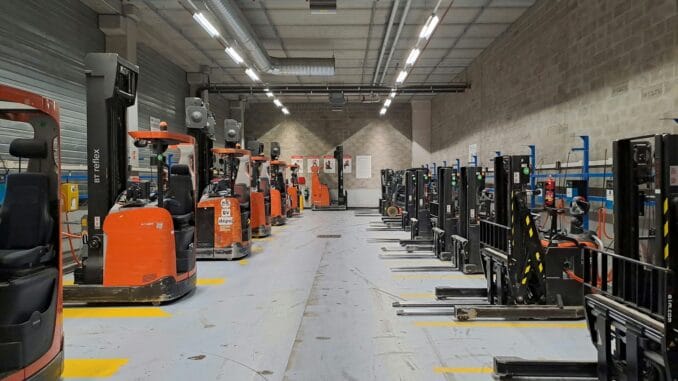
Forklift training gives beginners the knowledge needed to work safely and efficiently in busy warehouses, depots and yards. A structured course explains safe habits, legal duties and practical techniques that help reduce accidents and damage.
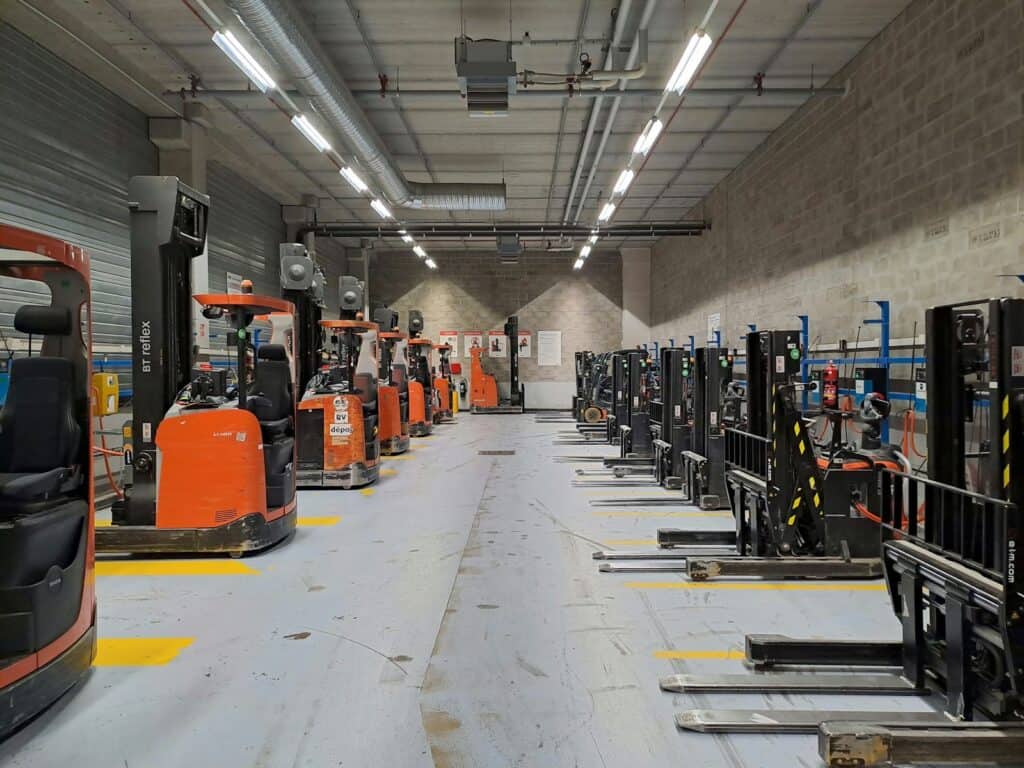
Photo by Duc LE on Unsplash
Inspecting the Truck Before Use
The daily safety check is a routine check of key parts of the forklift, such as tyres, forks, brakes, steering and warning devices. This ensures the correct operation of the machine and to check for any faults before use.
Using Both Forks Correctly
Instructors should explain why loads should be lifted evenly with both forks engaged. Poor balance can damage pallets, bend forks or make goods unstable during movement. Correct fork spacing also improves control.
Driving at a Safe Speed
Students will learn to move at a slow pace and perform stops and turns at a controlled pace in order to maintain safety.
Staying Aware of Surroundings
Good operators constantly watch pedestrians, doorways, racking and other vehicles. Awareness is one of the most valuable skills taught during forklift training Swindon, with providers such as globalflt.com/services/rtitb/fork-lift-truck-training-near-me/swindon.
Keeping Passengers Off the Truck
For safety, only the operator should be onboard unless it is an approved passenger seat position. Extra riders can be a distraction, block your view, or even cause injury.
Understanding Load Capacity
To safely operate a lift truck, students will learn how to read the capacity plates on the forklift to understand its true work limitations. Overloading a forklift can cause the forklift to tip or the contents to fall.
Summary
Beginners on a forklift training course learn safe habits, legal duties and practical techniques for busy warehouses and yards. This article describes six basics: daily pre-use checks of tyres, forks, brakes and steering; lifting loads evenly with both forks; driving slowly with controlled stops and turns; watching for pedestrians and obstacles; keeping passengers off the truck; and reading capacity plates to avoid overloading.
Questions this article raises
- How long does a typical forklift training course for beginners take?
- Do forklift licences or certificates need to be renewed?
- What should an operator do if the daily safety check finds a fault?
