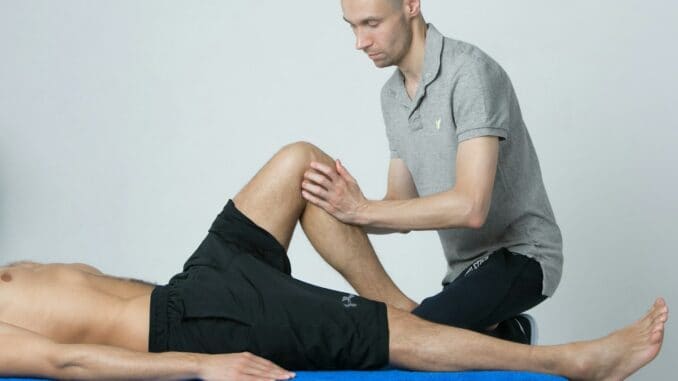
A sports massage is often associated with athletes, but its benefits go far beyond recovery after training. Whether you’re active, desk-based, or somewhere in between, targeted massage can noticeably improve how your body feels and functions day to day.
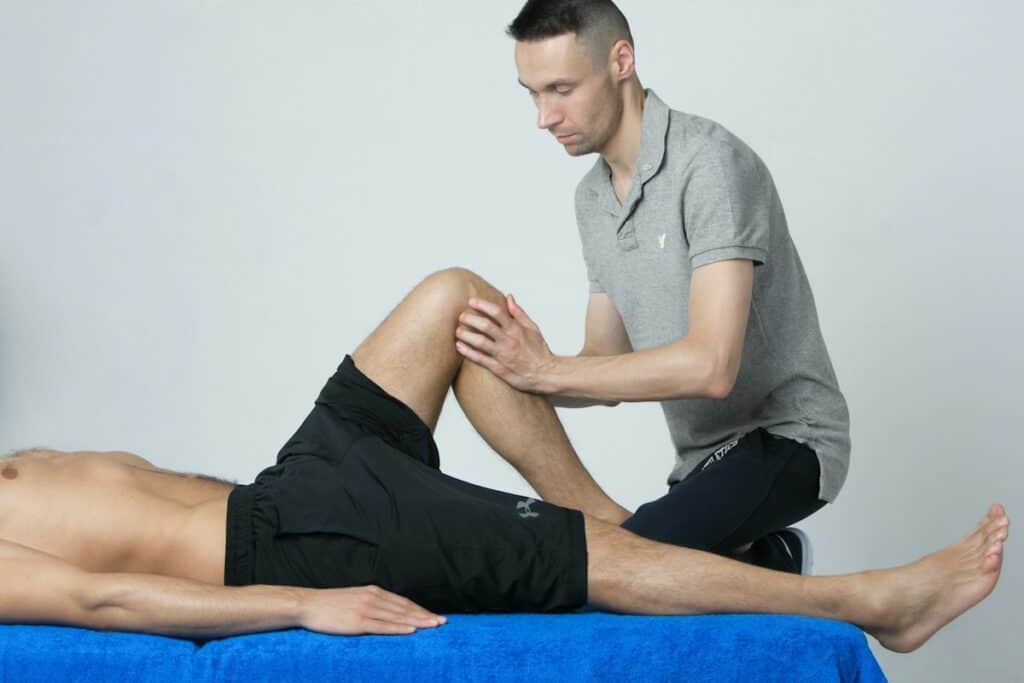
Photo by yury kirillov on Unsplash
Ongoing muscle pain
Ongoing aches in the neck, shoulders, or lower back are often linked to tight or overworked muscles. A sports massage targets these areas, helping to release tension, improve circulation, and make everyday movement feel easier over time.
Flexibility and movement
Restricted movement can impact posture and sleep. By working deep into the muscle fibres, sports massage helps restore natural movement, making activity feel easier and reducing stiffness from long periods of sitting.
Stress management
Physical tension and mental stress are closely linked. Sports massage encourages relaxation by calming the nervous system and easing muscular tightness. Many people find this makes it easier to switch off, particularly when combined with short getaways or spa breaks in the Cotswolds. Here, you can read more about the effects of stress on the body.
Recovery and energy levels
Muscle fatigue can leave you feeling drained even after light activity. Sports massage supports recovery by improving blood flow and reducing muscle soreness. People exploring spa breaks Cotswolds often look for such treatments, with specialists such as https://hatherleymanor.com/the-spa/spa-breaks-cotswolds/ offering wellness experiences.
Body awareness
Regular sports massage helps you become more aware of how your body responds to stress and activity. This can lead to better habits, fewer injuries, and a more balanced approach to both work and exercise.
What happens in the body during massage
It helps to understand why massage eases muscle pain so effectively. It focuses on the areas where pain is most common, usually the back and legs, but the neck and shoulders benefit too. For many people it can work as an alternative to painkillers, or alongside them.
The first benefit is a reduction in the tension that builds up in muscles when they are working hard. Massage also improves the circulation of blood around the body and stimulates the lymphatic system, both of which contribute to an overall sense of wellbeing. It aids relaxation and helps lower the hormones linked to stress.
Finally, regular massage supports better flexibility in the muscles and joints. Taken together, these effects mean less muscle pain and the ability to train or exercise for longer, rather than having to wait for soreness to fade. For anyone carrying an injury that makes travel difficult, a therapist who visits at home can make treatment much easier.
How massage helps joints, circulation and injury
A sports massage is designed to ease the strain that physical activity puts on the body, and many people notice the benefits after a single session. By working on tension and tightness in muscles and around joints, it leaves you more limber and better able to cope with physical stress. It can also help tendons and ligaments that have become worn or tight move more freely again.
Athletes use it to ease muscle strains and cramps and to help the body recover more quickly from injury. That makes it useful not just after an injury, but as a regular part of a training routine, supporting performance and keeping you in shape.
Massage also boosts the circulation of blood and lymph around the body, which supports the immune system. Alongside the physical effects, it gives the mind a chance to switch off. Competition and hard exercise can be mentally draining as well as physically tiring, and a session of focused massage helps with both.
Massage and better circulation
Massage may also help circulation, which is especially useful for anyone who spends long hours sitting at a desk. Poor circulation can have several causes. Sometimes a medical condition is behind it, while in other cases body weight and a sedentary lifestyle play a part.
When blood does not flow well, fluid can pool in the extremities, causing swelling and fluid retention in the hands, feet, wrists, ankles, fingers and toes. Fatigue and muscle aches can creep in too.
It is thought that the pressure applied to the skin and muscles during a massage helps push blood through congested areas, allowing it to flow more freely. Massage is also believed to help flush lactic acid out of the muscles so the body can carry it away as waste. For desk workers in particular, regular sessions combined with moving more during the day can go some way towards easing the tension and heaviness that poor circulation brings.
Summary
This article sets out five ways sports massage can benefit not just athletes but anyone active or desk-based. It covers relieving ongoing muscle pain in the neck, shoulders or lower back, restoring flexibility and easing stiffness from long sitting, supporting stress management by calming the nervous system, aiding recovery and energy levels by improving blood flow, and building greater body awareness that can lead to better habits and fewer injuries.
Questions this article raises
- How often should someone get a sports massage to see lasting benefits?
- Can sports massage help with a specific existing injury, or is it mainly preventative?
- How does sports massage compare with regular stretching for improving flexibility?
