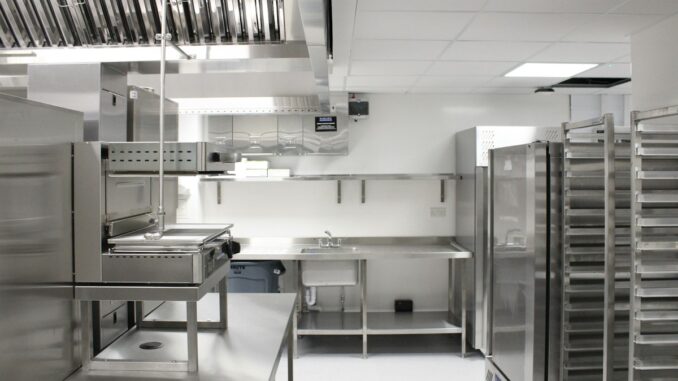
A commercial kitchen, whether it is a bustling office block, a school or a restaurant, needs to be super practical and aesthetically pleasing. Commercial kitchens often have multiple people – chefs, waiting staff and managers all rushing about at once, so it’s essential that the layout is streamlined and access to cooking apparatus is accessible and easy.
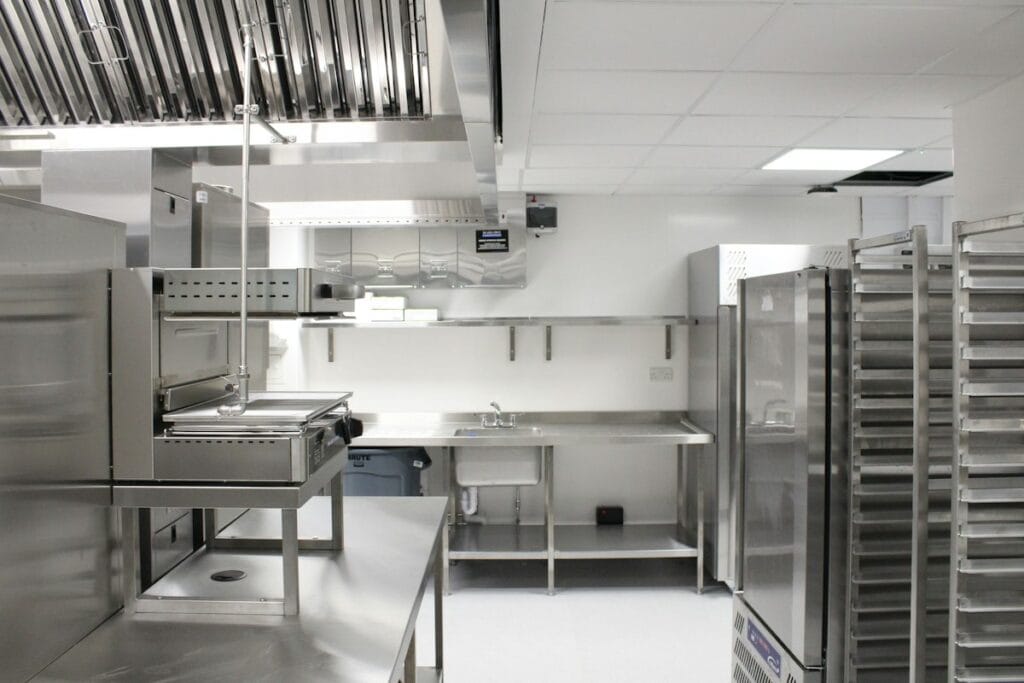
Photo by Ceba Solutions on Unsplash
The first step will be to enlist experts such as https://www.targetcatering.co.uk/kitchen-extraction/commercial-kitchen-extraction, for commercial kitchen extraction. Then it comes to the interesting step of designing the new kitchen: choosing appliances, planning the layout and maximising functionality. Let’s have a look at some top tips to consider when planning a commercial kitchen.
Create flow
Ideally, the kitchen will have distinct work zones for each different function, reducing movement around the kitchen and preventing cross contamination of ingredients. You may opt for a galley kitchen – maximising space in small premises.
Appliances
A kitchen is only as good as its appliances. Ovens ought to be easy to operate and cost-efficient. Gas ovens are often the preferred option because they heat up almost instantly, although electric ovens can be a little cheaper to run, which is a valuable aspect for many small businesses.
Think about ventilation
It’s essential to have efficient ventilation in a busy working kitchen. Not only does this go some way towards keeping staff cool in an otherwise hot environment, it also helps to keep the kitchen hygienic by removing smoke and grease particles from the air. Ventilation may take the form of an extractor hood which is wall-mounted or a canopy hood, depending on the layout.
Stick to regulations
Do be aware of regulations set by the Food Standards Agency. Their regulations are in place to ensure that food production is hygienic, equipment is carefully installed and maintained, and pest control is in hand according to their website.
Food storage
A commercial kitchen often has a considerable amount of food to store, whether that be refrigerated, frozen or ambient. Consider tall storage to maximise the use of available space, with a clear labelling system and easy to clean shelves.
Summary
This article gives design tips for commercial kitchens in settings such as offices, schools or restaurants, covering creating distinct work zones to reduce cross-contamination, choosing gas or electric appliances based on running cost and speed, ensuring efficient ventilation to keep staff cool and remove smoke and grease, following Food Standards Agency regulations, and using tall, clearly labelled storage to make the most of available space.
Questions this article raises
- How do you decide between a galley layout and an open-plan commercial kitchen?
- What are the main cost differences between gas and electric commercial ovens?
- How often does Food Standards Agency compliance need to be reviewed or inspected?
