Business data shows patterns, trends and behaviours that might not be obvious at first glance. Today, companies have access to more data than ever before. Knowing how to use it can make the difference between success and failure. As businesses grow, the amount of information they collect grows too, making it even more important to understand what types of data matter most.
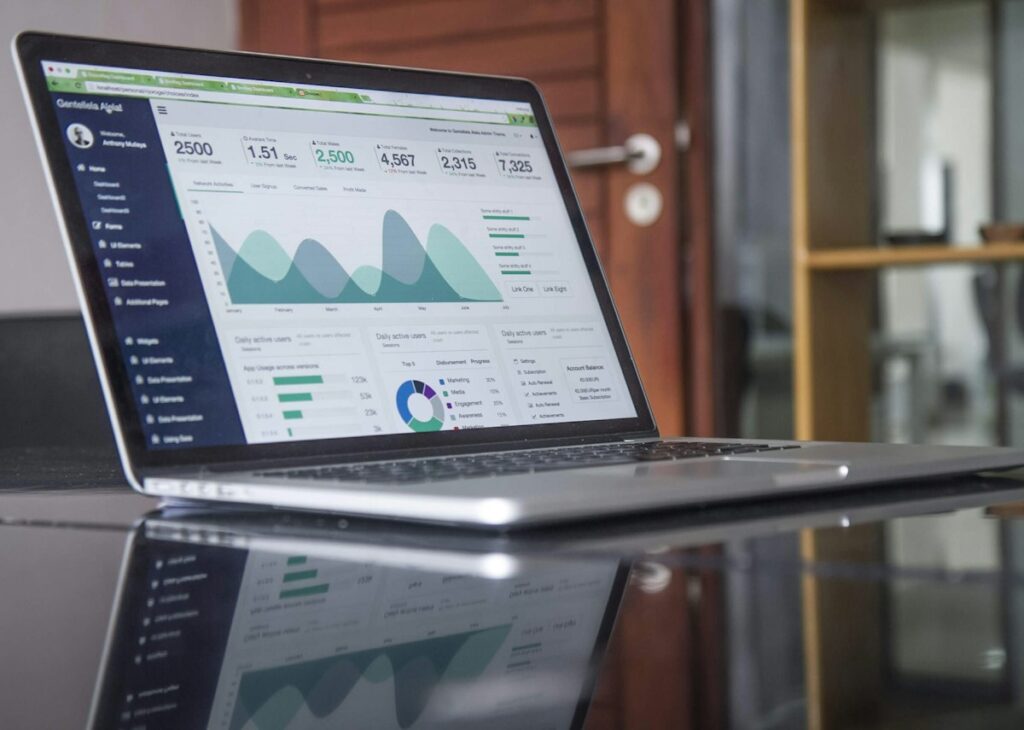
Photo by Carlos Muza on Unsplash
Customer Data
Customer data includes information such as age, location, buying habits and communication preferences. Behavioural data shows what customers click on, how long they stay on a website or what items they often buy. A data collection company, like shepper.com, might gather this information through surveys, loyalty programs or website analytics. Businesses can use this data to improve their service and create better marketing strategies.
Financial Data
Financial data covers everything related to money, including income, expenses, profits and budgets. Accurate financial records help businesses track their performance and plan for the future. When businesses analyse their financial information regularly, they can catch problems early and control their costs.
Inventory Data
Inventory data includes the number of products a business has, how quickly items sell and when supplies need to be reordered. Good inventory tracking helps prevent both shortages and overstocking. If a product sits on the shelf for too long, it ties up money that could be used elsewhere. By studying their inventory data, businesses can understand demand patterns and reduce any waste. Technology plays a big role too. Many businesses use barcode scanners, RFID tags or digital inventory software to update stock levels automatically.
Summary
This article explains three types of business data worth understanding. Customer data covers demographics, buying habits and website behaviour, gathered through surveys, loyalty programs or analytics, helping businesses improve service and marketing. Financial data covers income, expenses, profits and budgets, helping track performance and catch problems early. Inventory data tracks stock levels and reorder timing, often using barcode scanners or digital software to prevent shortages.
Questions this article raises
- Which of these three data types is most valuable for a small business to start tracking first?
- How do businesses balance collecting customer data with data protection rules?
- What software is best suited to small businesses for tracking inventory data?
