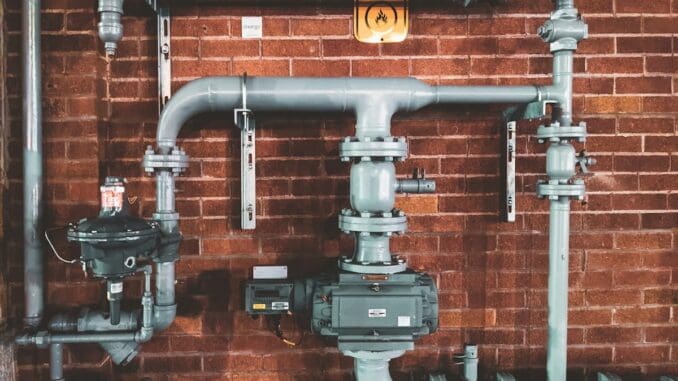
There are several types of valves. Gate valves, butterfly valves, control valves, balancing valves, logic air valves, and ball and spool-valves are some examples. Gate valves allow a fluid to pass through completely and a butterfly valve allows for partial flow. Most valves are used for regulating flow of a substance, whether that’s air, gas, oil or water.
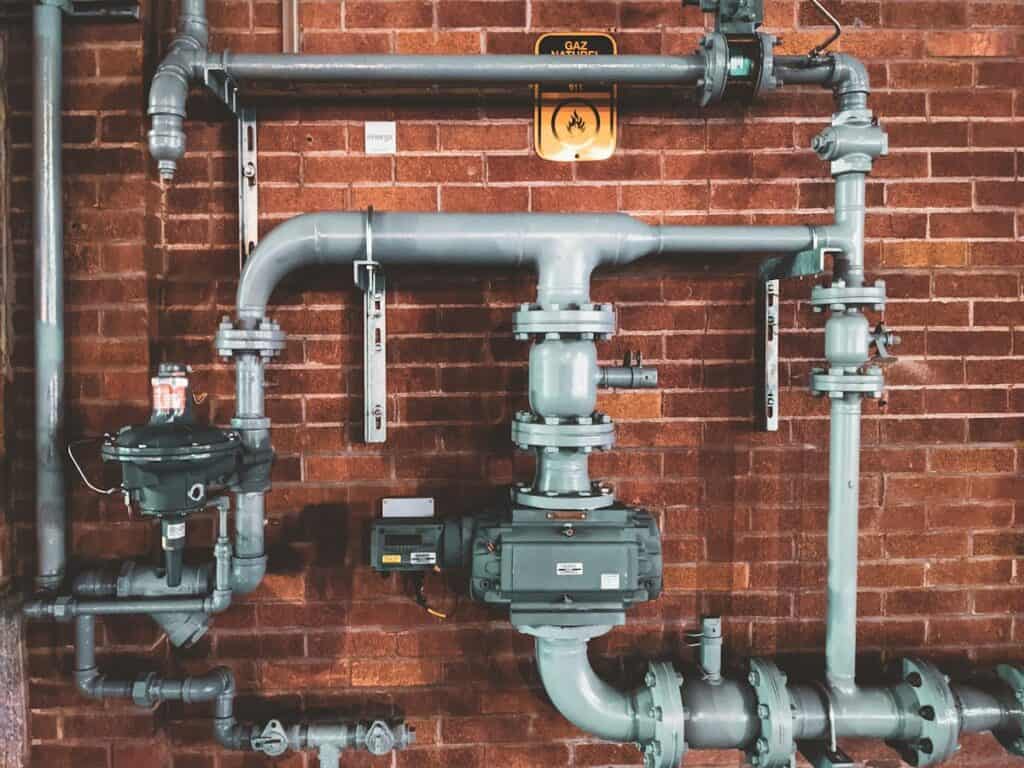
Photo by Compagnons on Unsplash
Valves specifically used in the energy sector
There are several types of valves used in the energy industry. The most common are the pressure seal gate valve and the pressure seal globe valve. They are both used to control pressure and reduce friction. The latter is best used in power generation facilities and requires less maintenance. Another type of valve used in the energy industry is the dual plate check valve, which is particularly effective for changing flows. It can also be used for safety-related applications.
The energy industry relies on pipelines to transport natural gas and crude oil. There are two kinds of pipelines in the industry: gas pipelines and oil pipelines. Gas pipelines transport natural gas, and oil pipelines carry crude oil to the refinery. Once refined, oil is then sold to end-users. In midstream pipeline applications, isolation valves are vital. These valves include full-port gate valves and ball valves. When you need Valve Manufacturers, consider orseal.com
Valves are used in many types of energy plants, including fossil fuel power plants, combined heat and power plants, and waste to energy facilities. They are important in all three of these applications. They are a vital part of any piping system, from controlling flow rates to isolating and protecting equipment. In fact, some valves even guide the refinement process of crude oil.
Choosing the right valve for the job
Valve accessories are based on engineering specifications whilst cost factors include material, fabrication, and inspection. If they are made of lightweight materials, they could be unbalanced and may compromise the stability of the process. In such cases, pneumatic valves can be used.
In addition to valves, pipelines also require valves that can handle high pressure levels. In this case, some valves may not be resilient enough. Full welded ball valves, on the other hand, are designed to withstand high pressures while maintaining low torque.
A ball valve is one of the most common types of valves. It is typically used for branch line shut offs and main water shutoffs. These valves operate in an all-or-nothing fashion – if they are fully open, water will flow through the pipe; if they are closed, all water will flow out of the system.
Summary
This article explains the types of valves used in energy production and transport. It describes gate and butterfly valves for general flow control, pressure seal gate and globe valves used specifically in the energy industry, and isolation valves used in gas and oil pipelines. It also covers how engineering specifications and material choice affect valve accessories, and how ball valves handle high-pressure shut-offs.
Questions this article raises
- How often do valves in the energy industry need to be inspected or replaced?
- What makes a full-welded ball valve better suited to high pressure than others?
- How do engineers decide which valve type suits a particular pipeline?
