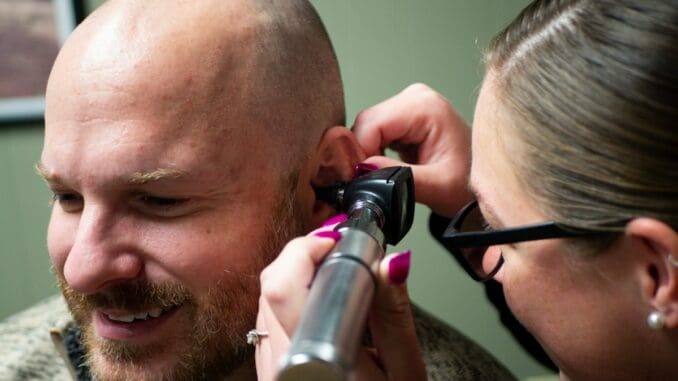
Considering that many hearing problems originate from damage to the inner ear, it’s reasonable to question if a test such as this can catch troubles in the interior of your ears. In brief: A hearing test can offer good clues, but it isn’t the sole factor in every diagnosis. For a Hearing Test Cheltenham, consider https://www.imperialhearing.com/audiologist-near-me/cheltenham/
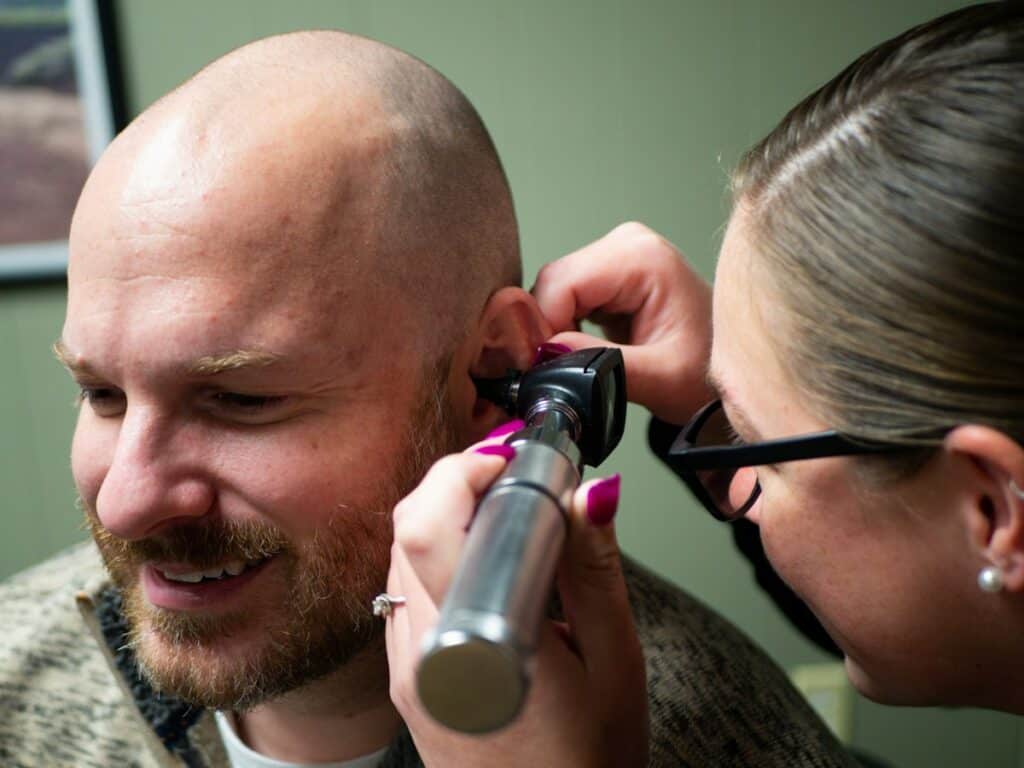
Photo by Anthony Camerlo on Unsplash
Understanding the inner ear’s role
What the inner ear does
The inner ear is home to the cochlea (hearing), and it lives very near the balance system. Sensorineural hearing loss occurs when the cochlea does not function properly – this is the most common type of permanent hearing loss.
What a hearing test can and can’t reveal
What can a hearing test show?
A complete evaluation of hearing measures how quietly you can hear various pitches and frequencies, as well as word recognition. Your findings may suggest the pattern of your hearing loss is indicative of an inner-ear origin.
Some of the signs a clinician might be looking for are:
One-sided differences between ears
Modifications corresponding to symptoms like tinnitus
Other centres may also perform extra tests such as tympanometry, testing for middle-ear problems like glue ear or negative pressures; additional measurements to help narrow in on the cause.
What a hearing test can’t do?
Initialising a standard hearing test would not see the inner ear directly. If a complex case, further evaluation such as medical examination, balance testing or imaging may be required.
When to get urgent help
When to seek urgent advice
Seek medical assistance immediately if you have a sudden onset of hearing loss, or one sided change in your hearing, severe vertigo (spinning) ot neurological symptoms.
A hearing test is still the smartest first step, at least help eliminate some things and guide your next steps.
Summary
This article explains whether a hearing test can diagnose inner ear problems. It describes the cochlea’s role in hearing and how sensorineural hearing loss occurs when it malfunctions, and covers what a standard test can show, such as pitch sensitivity, alongside its limits, since it can’t directly examine the inner ear. It advises seeking urgent help for sudden hearing loss or severe vertigo.
Questions this article raises
- How reliable is tympanometry at identifying inner ear problems specifically?
- How quickly should someone seek help after a sudden onset of hearing loss?
- What additional imaging or tests follow when a hearing test alone isn’t enough?
