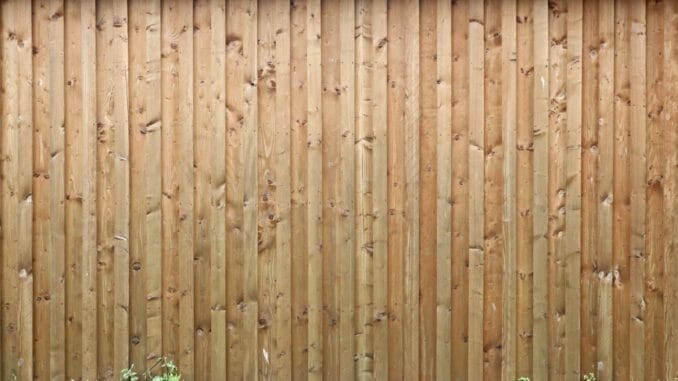
If you are considering timber fencing, then the two main types of fences that predominate on the market today will be feather edge and closeboard. Both of them might seem the same and have effective privacy and security, knowing what their difference is critical to choosing which one should be used in your property.
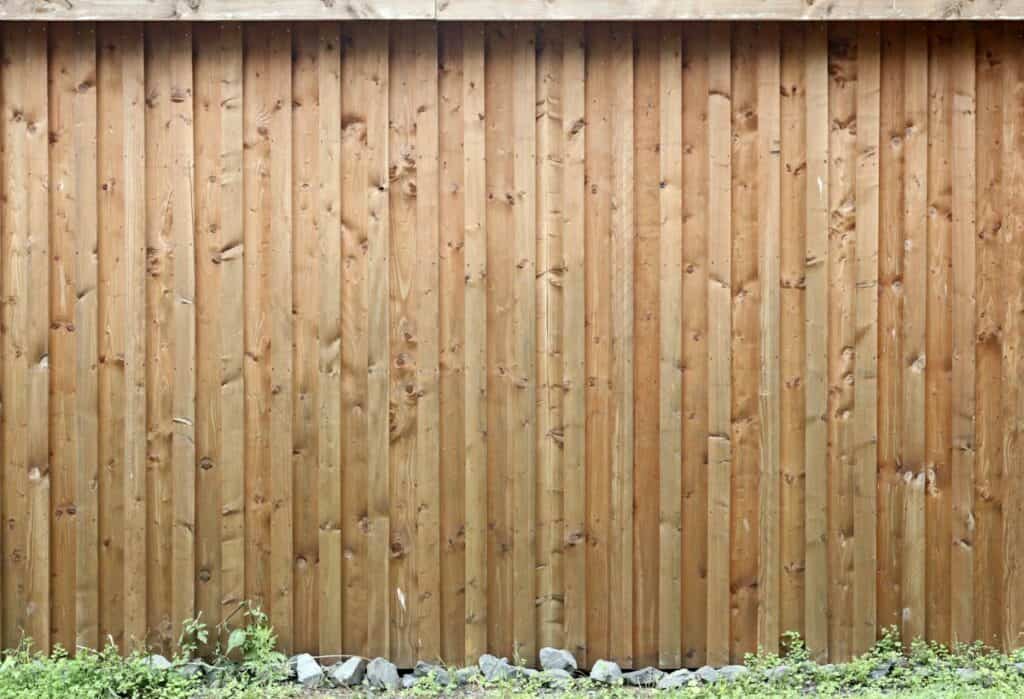
Photo by Daniel Janzen on Unsplash
What each fence type actually is
Vertical feather edge is made from vertically positioned boards and tapered to a thicker one side than the other. Loosely laid out deck boards overlap to create a solid barrier. Feather edge (most popular fence type in UK gardens) panels are then erected with timber or concrete posts and gravel boards. These are typically 1.8-metre wide and a range of heights per panel.
What is Closeboard Fencing?
Closeboard fencing is constructed from vertical feather edge pales fixed individually to a series of horizontal supporting rails. Without the cumbersome panels, each unique board is erected on site to provide you with a custom built fence that meets all your specific needs. When you need a Timber Merchants Portsmouth, contact https://www.timbco.co.uk/timber-merchants-portsmouth
Strength and ease of installation
Strength and Durability
Closeboard fencing is significantly stronger. Constructing from individual boards attached to arris rails, closeboard fencing provides a robust structure, far superior at dealing with high wind-loads compared to the panels of panel fence; fit for damage and impact caused by debris in storm/wind events. If a board becomes damaged, you can replace the individual piece without replacing an entire panel.
Feather edge panels, the most popular fencing panel option for many gardens are slightly more prone to wind damage. Strange as it may seem, the smallest framework that keeps each panel in line can shatter against extreme conditions.
Installation Differences
Feather edge fences are incredibly easy and fast to install so if you need a quick answer this type of panel comes into its own…and the accompanying ‘work with both sides’ approach makes it more affordable than standard lap. Slide panels between posts using brackets or gravel boards.
Closeboard construction is very skilled work and time consuming as each board needs to be measured up, rails cut and boards fixed. While this custom-made approach is more expensive in terms of labour if you opt to hire pros, it does result in a better quality fence that should last longer.
Cost and which one to choose
Cost Considerations
The feather edge panels are cheaper to buy in the first place as a material or installation charge. A more affordable choice for simple border fencing.
Unlike feather edge, closeboard upfront is expensive but in the longer run it proves more valuable. Panel fencing is fairly inexpensive compared to other types of fencing (representing an initial low-cost investment), but it has a higher potential for maintenance and repair.
The Verdict
Feather edge panels are ideal for budget builds or easy instalments, or temporary fencing. Closeboard is the choice where durability, strength and long-term value-for-money are paramount – especially on exposed sites or high security boundaries.
Summary
This article compares feather edge and closeboard timber fencing. Feather edge uses tapered, overlapping boards in panels and is quick and affordable to install, but more prone to wind damage. Closeboard uses individually fixed boards on rails, making it stronger and more durable, though slower and more expensive to install. It concludes feather edge suits budget fencing, while closeboard suits exposed or high-security sites.
Questions this article raises
- How much longer does closeboard fencing typically last than feather edge?
- How does wind exposure at a specific site affect which fence type is best?
- What ongoing maintenance does each fence type need over its lifetime?
