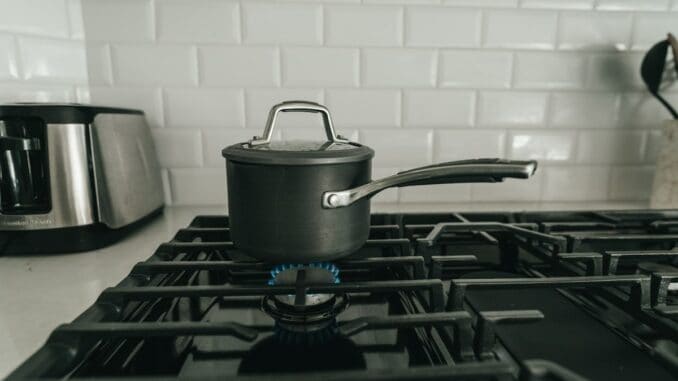
Commercial kitchen safety is vital, both to prevent incidents and to comply with regulations, and this means everything from keeping areas clean to managing hazards. Let’s take a look at five of the top things you can do to protect people, property, and business reputations.
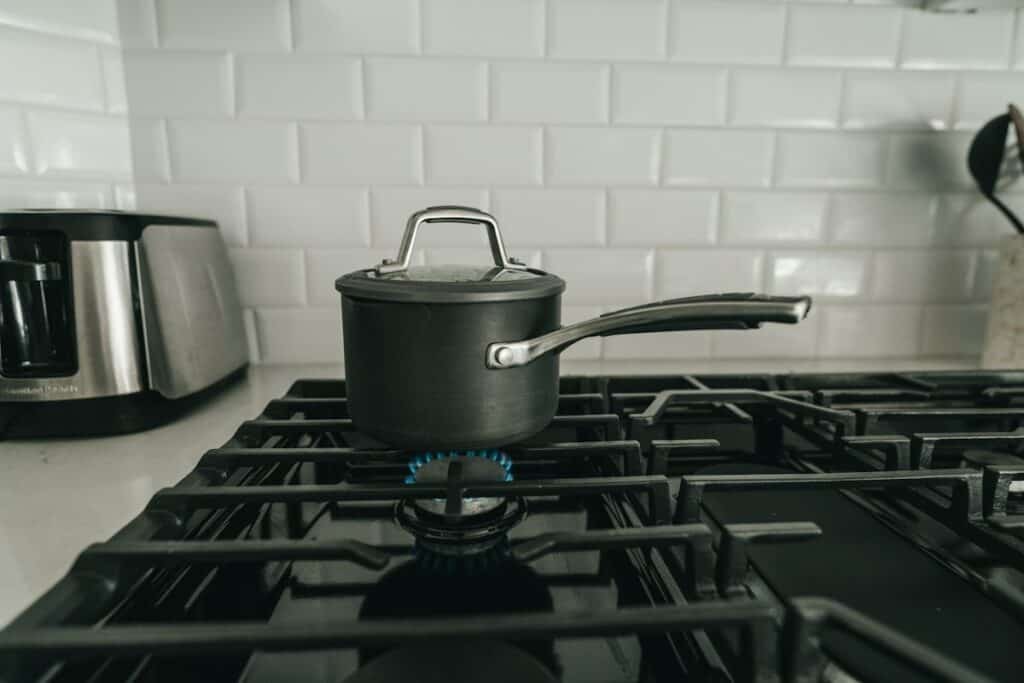
Photo by Henry Kobutra on Unsplash
Good hygiene and clothing
Good personal hygiene and appropriate clothing are essential to comply with rules and regulations in commercial kitchens. In just the same way that cleaning commercial kitchen extraction fans is vital, so is ensuring that the people who work in kitchens do not contaminate food.
Clean thoroughly
Kitchens must be kept clean, and this means everything from work surfaces to commercial kitchen extraction systems fitted by companies such as www.targetcatering.co.uk/kitchen-extraction/commercial-kitchen-extraction. Dirty kitchens pose a multitude of health risks, including being a potential breeding ground for harmful bacteria and a common area for accidents such as slips, trips, and burns.
Comply with food safety guidelines
There are strict food safety guidelines that must be followed when preparing and handling food, covering the likes of food separation and storage and hand washing.
Use appliances safely
Appliance manuals should be followed, and all equipment should be used for the intended job and in accordance with manufacturer instructions to prevent accidents, health risks, and injury.
Be hazard aware
Commercial kitchens, by their nature, are filled with potential hazards, and this is why awareness is needed at all times. Everyone in the area must be aware of potential dangers, ranging from open flames to slippery floors.
Cross-contamination, chilling and cooking in the kitchen
Hygiene rules are easiest to follow when they are broken into a few habits. Four cover most of the common food safety problems: preventing cross-contamination, cleaning, chilling and cooking. Cross-contamination happens when bacteria move from raw food onto ready-to-eat food, or onto the surfaces and equipment used to prepare it. Keeping the two apart, and cleaning hands and surfaces before and after every task, stops most of it. Staff need to be shown why this matters, not just told.
Temperature control does much of the rest. Bacteria multiply more slowly in the cold, so chilled and ready-to-eat items should not sit at room temperature for long. Cooked food should be cooled as quickly as possible before it goes into the fridge, and fridges should be checked regularly to confirm they are holding the right temperature.
Cooking to a safe temperature kills most harmful bacteria. It matters most for processed products such as sausages and minced meat, where bacteria can sit inside rather than on the surface. Formal HACCP principles, recognised by the national food safety authority, help a kitchen turn all of this into a written routine.
Fire hazards to watch in a busy kitchen
Fire is one of the most serious risks in any commercial kitchen, and the biggest dangers are often the ones out of sight. Grease builds up steadily in extraction canopies, filters, ductwork and grease traps. It is highly flammable, and a fire that gets into the ducting can spread quickly through a building, so filters should be cleaned often and ducts professionally cleaned on a regular schedule suited to how much cooking you do.
Electrical equipment needs attention as well. Fryers, ovens, microwaves and mixers work hard in hot, greasy, damp conditions, so check cables and plugs for fraying or damage and take faulty items out of use until they are repaired by someone qualified. Avoid overloaded sockets and extension leads. Open flames are part of the job, but staff should be trained to manage them safely, to keep oily cloths and packaging away from burners, and to know how the kitchen’s fire suppression system and fire blankets work and which extinguisher to use on a fat fire.
Risk assessments and staff safety
Food hygiene gets most of the attention in a kitchen, but protecting staff matters just as much. The most common injuries in catering are cuts from knives and equipment, burns and scalds, slips and falls on wet or greasy floors, skin problems such as dermatitis from frequent hand washing and cleaning chemicals, and strains from lifting heavy stock. A thorough risk assessment is the best way to identify these hazards in your own kitchen and decide how to control them. Larger businesses may appoint a dedicated health and safety lead, while smaller ones can use free example assessments published by the health and safety regulator.
Training underpins everything: safe knife skills, manual handling, first aid and fire marshal duties should all be covered. Equipment needs regular maintenance, including checking electrics, fixing leaks and keeping fridge and freezer vents clear. Gas appliances must be installed and serviced by a properly registered engineer. Above all, a safety culture has to come from the top.
Summary
This article gives five tips for keeping a commercial kitchen safe. It covers maintaining good personal hygiene and appropriate clothing to avoid contaminating food, thorough cleaning of surfaces and extraction systems to prevent bacteria and accidents, following strict food safety guidelines around storage and handling, using appliances only as intended and per manufacturer instructions, and staying alert to hazards like open flames and wet floors.
Questions this article raises
- How often should commercial kitchen extraction systems be professionally cleaned?
- What training is legally required for staff handling food in a commercial kitchen?
- Which hazard causes the most workplace accidents in commercial kitchens?
